Recovery Tools Worth Buying After 40 (And What I’d Skip)
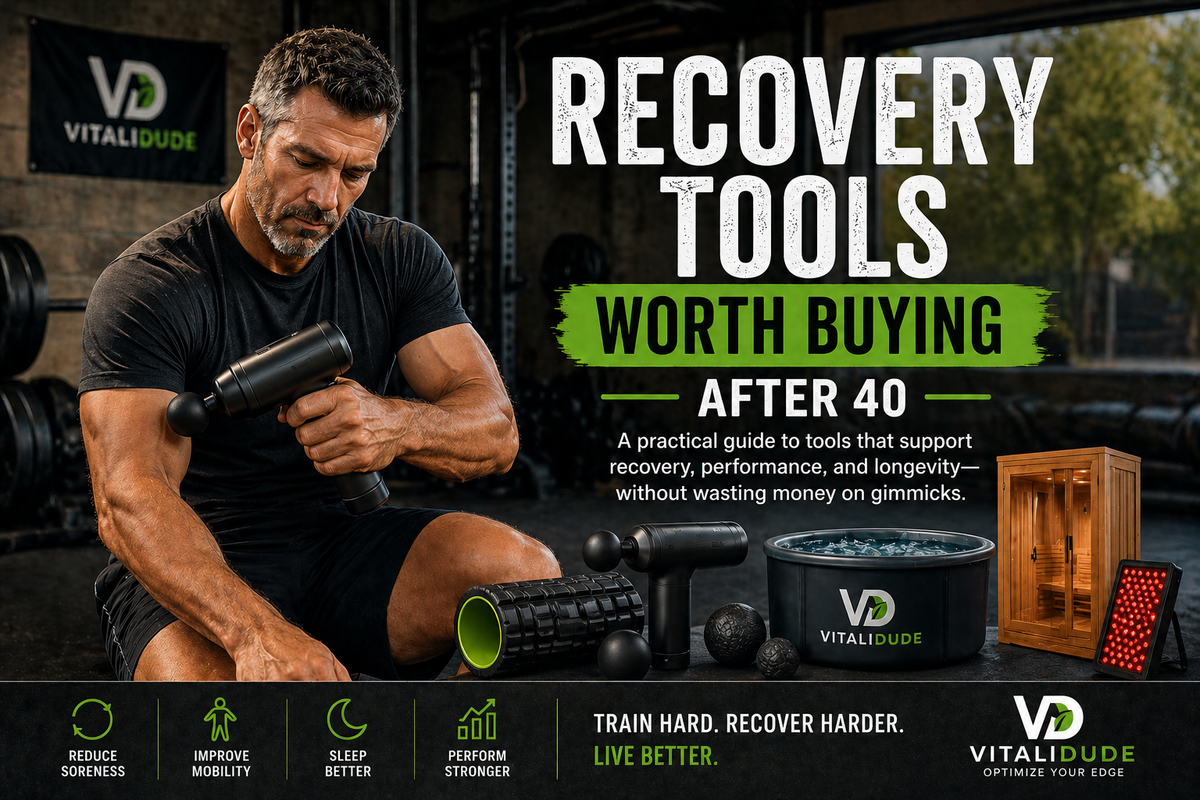
A practical guide to recovery tools that may actually support performance, mobility, and longevity — without wasting money on gimmicks.
Recovery Starts to Matter More Than Training
There comes a point—usually somewhere in your 40s—when you realize training hard is only half the equation.
Recovery starts to matter just as much.
Joints talk back.
Muscles stay sore longer.
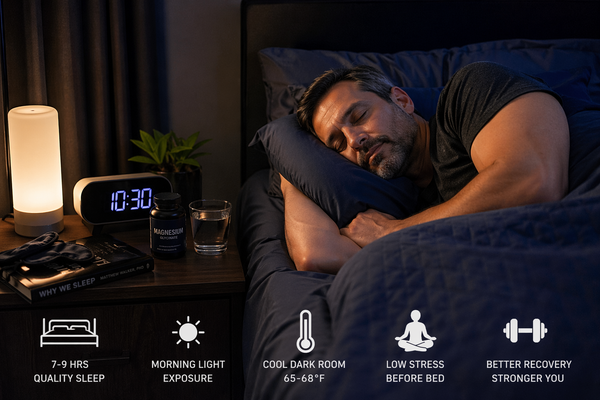
Sleep quality suddenly affects tomorrow’s workout.
That doesn’t mean you stop pushing.
It means you recover smarter.
The good news: there are tools that can genuinely help.
The bad news: there are also a lot of overpriced gadgets chasing the biohacking trend.
Here’s what’s actually worth considering.
1. Massage Guns
Why they’re worth it
Massage guns are one of the easiest ways to improve recovery without overcomplicating things.
They’re useful for:
- Tight tissue after training
- Quick warm-up prep
- Post-workout soreness
- General muscle maintenance
Even 5–10 minutes on areas like calves, glutes, quads, or traps can make a noticeable difference.
What to look for
- Quiet motor
- Adjustable speed settings
- Good battery life
- Solid attachment options
2. Mobility Tools That Actually Work
Simple tools often deliver the highest return.
Foam Roller
Still one of the best low-cost recovery tools available.
Use it for:
- Quads
- IT bands
- Upper back
- Glutes
Mobility / Stretch Wheel
Great for opening up the spine and relieving back tightness.
Lacrosse Balls / Trigger Balls
Cheap, portable, and extremely effective for targeted pressure.
These tools aren’t flashy—but they work.
3. Heat Therapy (Sauna / Infrared)
This is where recovery starts to overlap with relaxation and long-term health.
Why it’s useful
Heat exposure may help support:
- Muscle relaxation
- Stress reduction
- Recovery between sessions
- Sleep quality
You don’t need a built-in sauna to benefit.
Portable sauna setups and sauna blankets have made this much more accessible.
4. Cold Exposure (Cold Plunge)
Cold exposure gets a lot of attention—and for good reason.
Simple version
Cold showers are enough to start.
Advanced version
Cold plunge tubs or dedicated setups.
Potential benefits
- Reduced soreness perception
- Mental resilience
- Recovery support (depending on timing and use)
It’s not mandatory—but it can be a useful tool.
5. Red Light Therapy (Use Selectively)
This is one area where it’s easy to overspend.
My take
It can be worth exploring, but start simple.
Entry-level panels may be enough to experiment with.
Don’t jump straight into expensive setups without understanding how often you’ll use it.
What I’d Skip (Or Delay)
This is where most people waste money.
I wouldn’t rush into expensive recovery tools until the basics are in place.
I’d personally delay:
- High-end gadgets you won’t use consistently
- Expensive setups without a clear routine
- Tools that look impressive but don’t get used
The rule is simple:
Buy what you’ll actually use.
If I Were Starting Over
Under $100
I’d start with:
- Foam roller
- Lacrosse balls
- Basic mobility work
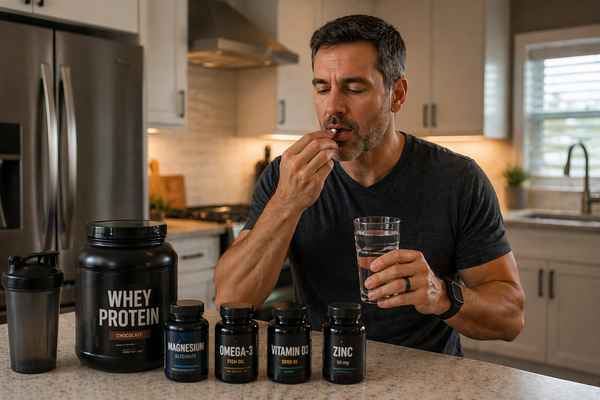
- Magnesium (for recovery support)
$300–$500 Range
Add:
- A quality massage gun
- Mobility/stretch tools
Higher Budget
Then consider:
A Simple Recovery Stack
If I were building a practical setup:
Foundation
- Foam roller
- Massage gun
- Basic mobility work
Upgrade Layer
- Sauna or heat exposure
- Mobility tools like a stretch wheel
Advanced Layer
Final Thoughts
Recovery doesn’t require a room full of equipment.
It requires consistency.
A few well-used tools will outperform a shelf full of unused ones.
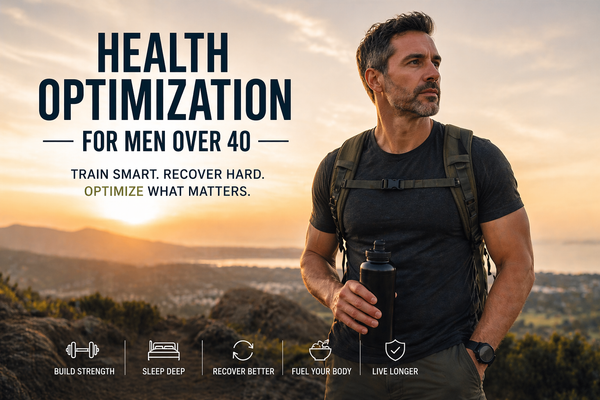
Train smart.
Recover hard.
Optimize what matters.
Subscribe to our newsletter for more health and fitness tips.
 VitaliDude
 VitaliDude
 VitaliDude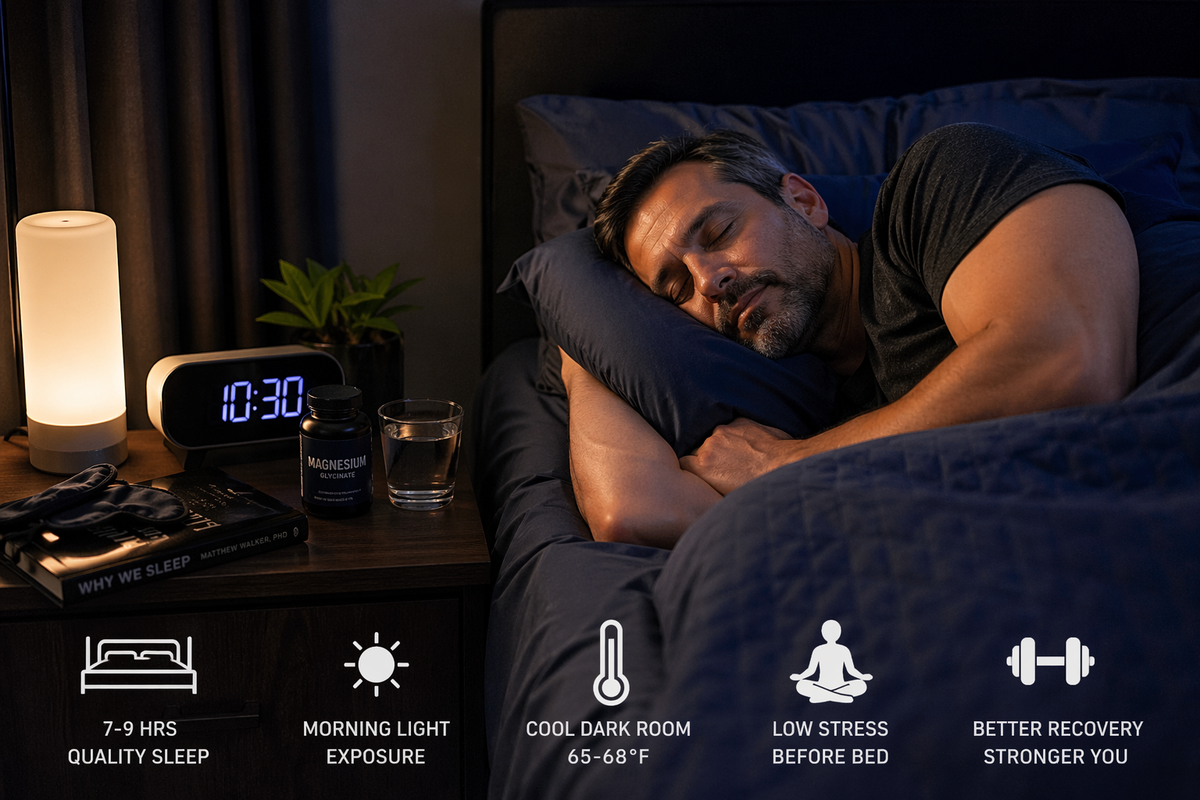
Disclosure: As an Amazon Associate, I may earn from qualifying purchases.